Coccidiosis in Beef Cattle Frequently Asked Questions
Coccidiosis Treatment and Prevention in Cattle
- Spring To:
- What is Coccidiosis
- Prevention
- Conclusions
What is Coccidiosis
Coccidia are protozoan parasites that are host-specific; eastward.g., cattle accept their specific coccidia (Eimeria sp., Figure 1), poultry have their coccidia, etc. The oocyst is shed in the feces of both affected animals showing symptoms and carrier animals non showing symptoms. The oocysts sporulate (undergo maturation) in moist warm environments and become infective. Coccidia oocysts are ingested by animals when they consume contaminated feed, water, pastures or lick a dirty hair coat. If ingested, the parasite can develop inside the host brute, causing damage to intestinal cells and potentially resulting in the host animal having diarrhea and blood in the carrion. Damage to the abdominal mucosa also impacts the animal'south power to absorb fluids to compensate for the water losses in the diarrhea. The oocyst is highly resilient and can survive in moist shaded areas for several years.
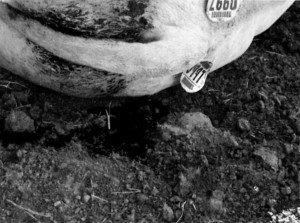
Figure i. Encarmine diarrhea in steer with coccidiosis.
The affliction: Many animals are exposed and infected with coccidia and practise non develop symptoms, only become on to develop species-specific amnesty. Affliction occurs when large numbers of the infective grade of the protozoa (oocysts) are ingested, the cattle are stressed or the animals' allowed response is compromised. Weaning, shipping or moving cattle may crusade sufficient stress to cause illness and clinical signs. Sick animals usually accept acute diarrhea with or without blood (Figure two), decreased appetite and mild depression. In more astringent infections, this may progress to severe low, dehydration, pale mucous membranes, straining and severe weight loss. Some cattle with coccidiosis may present with neurologic symptoms. Decease may occur despite therapy. The disease commonly affects young animals managed equally groups in unsanitary conditions. Calves as young as 16 days of age may be affected. Older cattle are less susceptible to disease than younger cattle unless they are experiencing extreme stress or accept depressed immune systems.
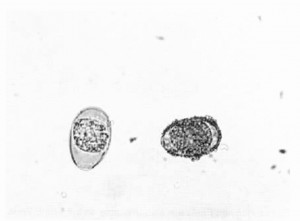
Figure 2. Oocysts of Eimeria sp. coccidium of cattle. Oocysts are shown 10 400.
The more chronic grade of the illness causes reduced growth rates, and/or acts equally a stressor, causing increased susceptibility to other infections, such equally salmonellosis (abdominal disease), or Bovine Respiratory Affliction. Coccidiosis is primarily a illness that affects immature animals, but tin can bear upon older animals that are in poor condition or are immune compromised. It occurs ordinarily in confined atmospheric condition, only can occur in free-ranging weather that take congregating areas, such as feeding, shade and watering areas.
Economics : Coccidiosis tin crusade significant economic losses due to reduced performance, expiry from direct infections, and past predisposing cattle to secondary bacterial and viral infections. Additional economical losses occur because of the labor demand for care and treatment of infected cattle and medication costs.
Transmission: Coccidiosis is transmitted from animal to animate being past the fecal–oral road. Infected fecal cloth can contaminate feed, water or soil; therefore, cattle can contract the illness by eating and drinking from contaminated sources, or by licking itself or other animals. Calves may become infected by nursing contaminated udders. The severity of clinical disease depends on the number of oocysts ingested. The more oocysts ingested, the more astringent the disease.
Diagnosis: Coccidiosis is diagnosed by clinical signs, fecal examination by flotation or smear, and by postmortem examination. Clinical signs commonly occur about 17 days afterwards ingestion of oocysts. By the time clinical signs occur, the damage is far avant-garde, and the coccidia life bike in the animal is completed. The history frequently includes a preceding stressful consequence in the brute's life. It must be noted that coccidia can exist found in the feces of normal healthy cattle and diagnosis must rule out other diseases such every bit BVDV, salmonellosis, internal parasites and toxicities.
Treatment: The most effective treatment for the already sick fauna is supportive therapy (fluids) and antibiotics to ward off secondary infections. Ideally, owners should isolate the affected fauna(s) to prevent increased contamination of the premises. Amprolium at 10 mg/kg/day for five days and sulfonamides are normally used as treatments for clinical disease (Tabular array 1). Drugs administered in feed or water may not exist consumed by sick animals, and severely affected animals may demand to be handled and treated individually.
If there is ane clinical case in a grouping of cattle, it is highly likely that others take been exposed and harbor coccidia in the intermediate stages of development. Due to the drug susceptibility of the parasite in the intermediate stages of development, preventive therapies should exist instituted. Drugs useful for treatment are not necessarily useful for preventive therapy and vice versa. Anticoccidial-preventive therapies commonly used in cattle should be used co-ordinate to characterization recommendations, paying careful attention to maintaining preventive levels for periods long enough (28 days or longer) to bear upon the life cycle of coccidia. Anticoccidial preventive therapies may be incorporated into beefiness cattle rations and supplements.
The virtually effective coccidiosis programme focuses on preventive therapies before clinical signs announced.
Prevention
Prevention focuses on preventing fecal contamination of the cattle'southward environment, feed and water. Preventive measures for confined cattle include:
- Clean h2o tanks regularly, with more than regular cleaning when new animals are introduced.
- Make clean feces from feed bunks before each feeding.
- Clean and disinfect holding areas betwixt groups of cattle. Drying and exposure to sunlight aids in the die-off of oocysts
- Exercise not overcrowd animals.
- Reduce manure buildup (regular scraping of pens).
- If in stalls, provide adequate clean bedding.
- Employ coccidiostats in feed, water or common salt as recommended by your veterinarian.
Preventive measures for grazing cattle include:
- Restrict grazing near streams and ponds or clean water tanks regularly, with more regular cleaning when new animals are introduced.
- Clean feces from feed bunks before each feeding.
- If feeding hay from the footing, motility feeding locations to reduce buildup of oocysts.
- Forbid overgrazing. Animals forced to graze downwardly to the roots of plants may eat large numbers of parasites.
- Eliminate dirty areas in environment. Use well-drained pastures.
- Utilize coccidiostats in feed, water or salt every bit recommended by your veterinary.
Table 1. Anticoccidial treatment and prevention agents for employ in cattle. *Follow all characterization directions for meat withdrawal times.
| Treatment | Prevention | Handling | |
|---|---|---|---|
| AMPROLIUM (CORDID®) (AMPROL®) | Aids in prevention (v mg/kg) for 28 days | Aids in treatment (10 mg/kg) for 5 days | |
| DECOQUINATE (DECCOX®) | 0.5 mg/kg for 28 days | ||
| LASALOCID (BOVATEC®) | ane.0 mg/kg for 28 days | ||
| MONENSIN (RUMENSIN) | 1.two mg/kg for 28 days |
Conclusions
- Coccidiosis is a costly intestinal affliction, primarily of immature cattle, in intensive animal husbandry conditions or free ranging on pastures.
- Coccidiosis causes both severe illness with possible expiry, or subtle illness, causing stress and making the animal more than susceptible to secondary diseases that tin can further jeopardize the health of the fauna.
- Control and treatment must be two-fold: expert animal husbandry measures to prevent the ingestion of infective oocysts past other cattle, besides equally the use of anticoccidial preventive therapies to prevent further disease and premise contamination.
- Remember, animals non showing clinical signs may break with coccidiosis following the institution of anticoccidial preventive therapies. The coccidia may exist advanced beyond the betoken of preventive therapy susceptibility in their life wheel. This does not mean to stop preventive measures. The purpose of preventive therapies is not simply to preclude disease in the animate being, but also to subtract the concentration of the parasite on the premises.
Chris Richards, PhD
Extension & Research Beef Cattle Specialist
D.50. Footstep, D.V.Grand., ACVIM
Center for Veterinarian Health Sciences
Elisabeth J. Giedt, D.V.M., M.B.A.
Director of Continuing Education, Extension and Community Engagement
Center for Veterinarian Health Sciences
Was this data helpful?
YESNO
colliermagesentrage1994.blogspot.com
Source: https://extension.okstate.edu/fact-sheets/coccidiosis-treatment-and-prevention-in-cattle.html
0 Response to "Coccidiosis in Beef Cattle Frequently Asked Questions"
Postar um comentário